
Mechanical Test Methods
Simulation of cell behaviour at real-worldaccident scenarios to
assess cell reactions and structural limits
What we Do
MECHANICAL TEST
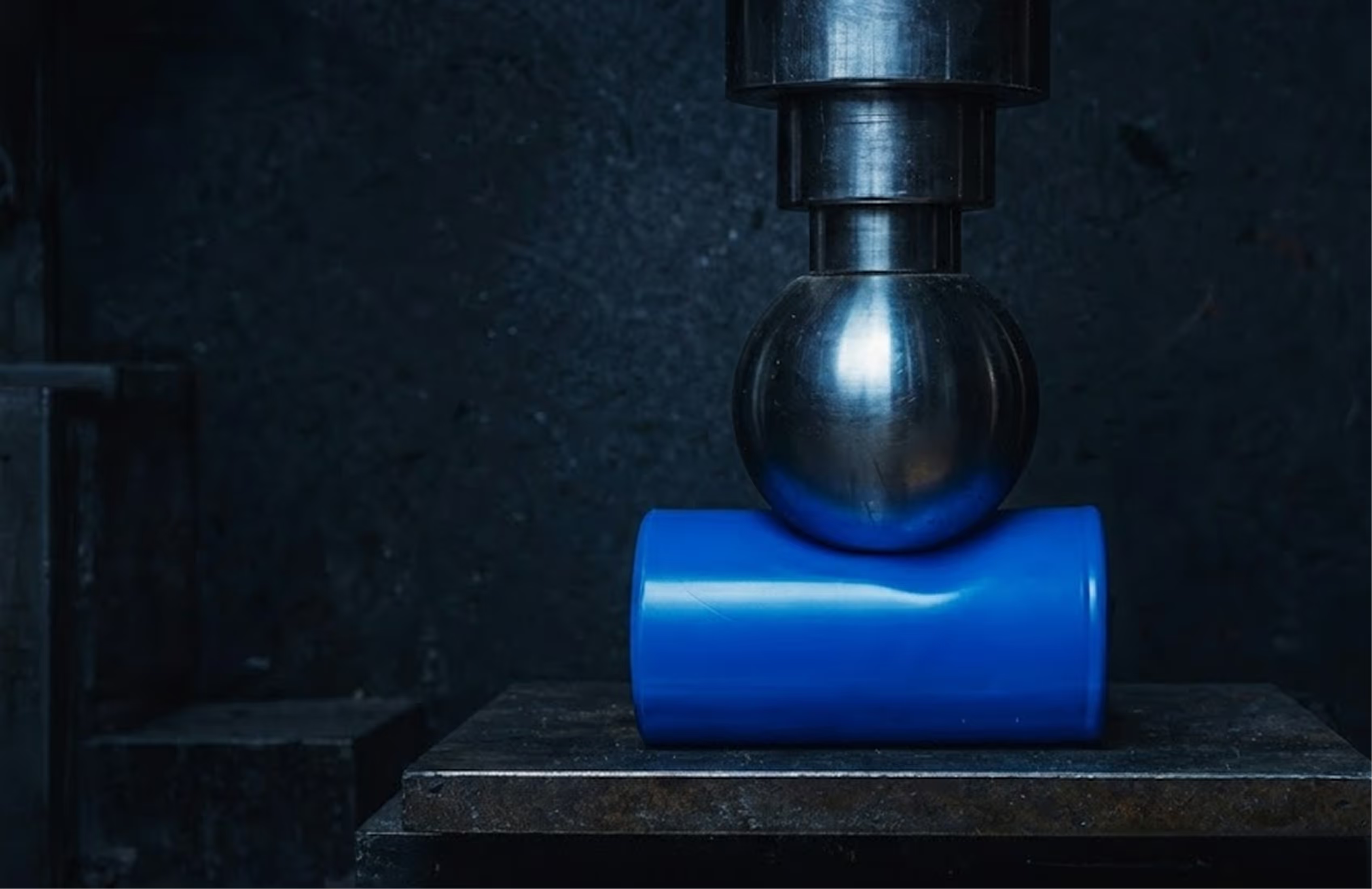
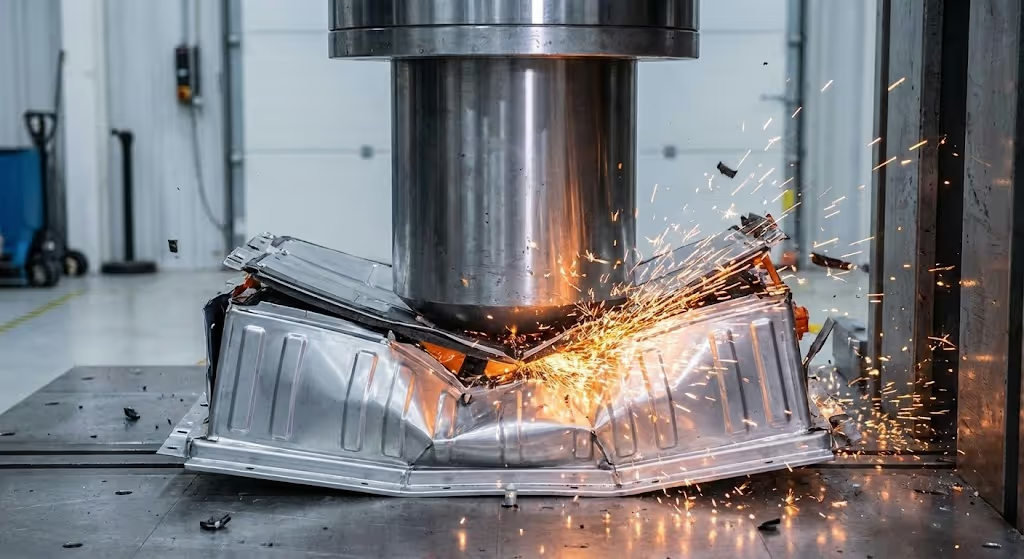
Dynamic Deformation
Simulation of crash scenarios through sudden forceapplication to assess fail-safe behavior and enclosure integrity.
Insights: Reveals how cells and housings respond to suddenmechanical loads and helps evaluate safety mechanisms under crash conditions.
MECHANICAL TEST
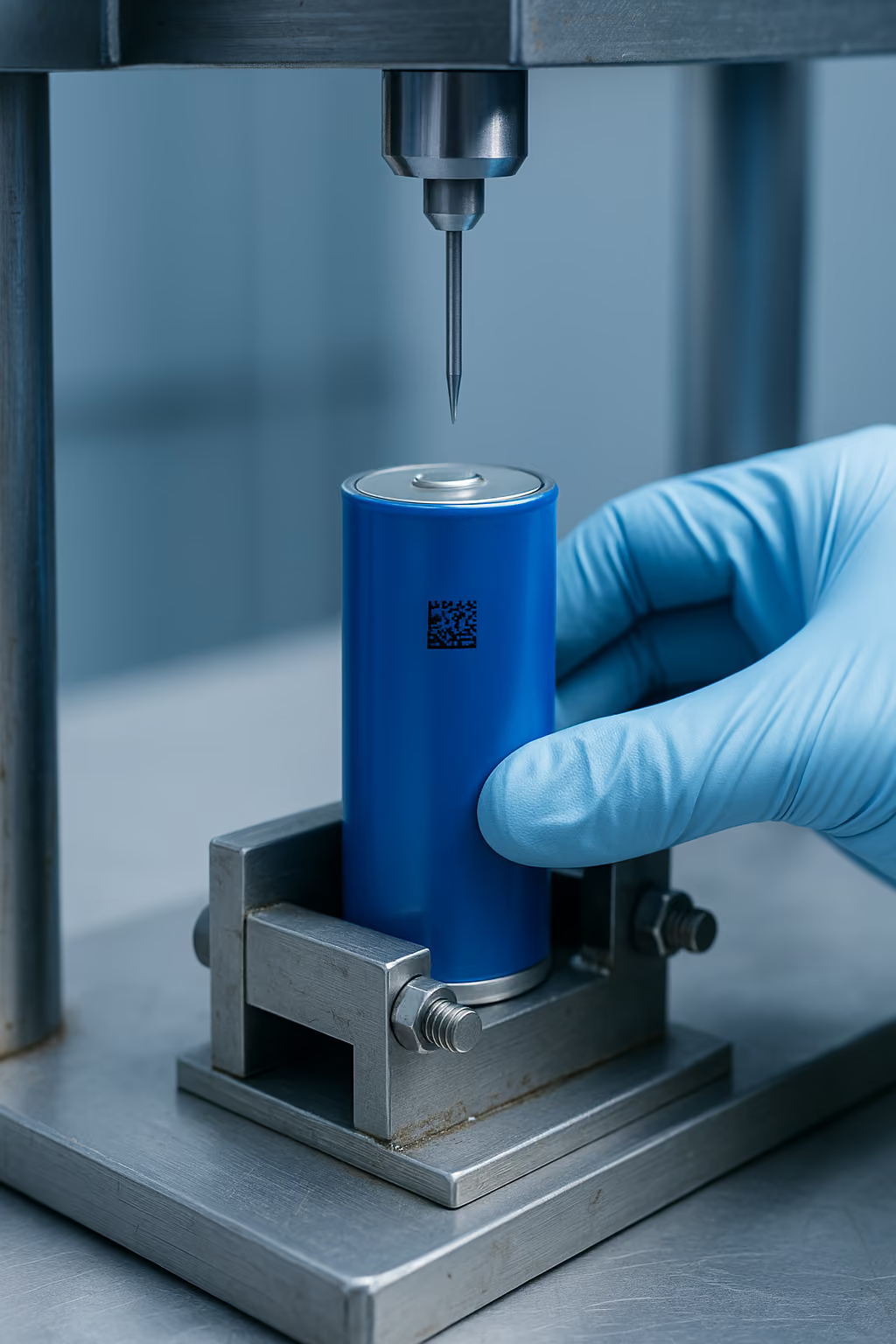
Nail Penetration
Targeted initiation of an internal short circuit toanalyze thermal response and validate safety mechanisms against thermalpropagation.
Insights: Demonstrates cell reaction to internal shortcircuits and helps assess risks of thermal runaway initiation.
MECHANICAL TEST
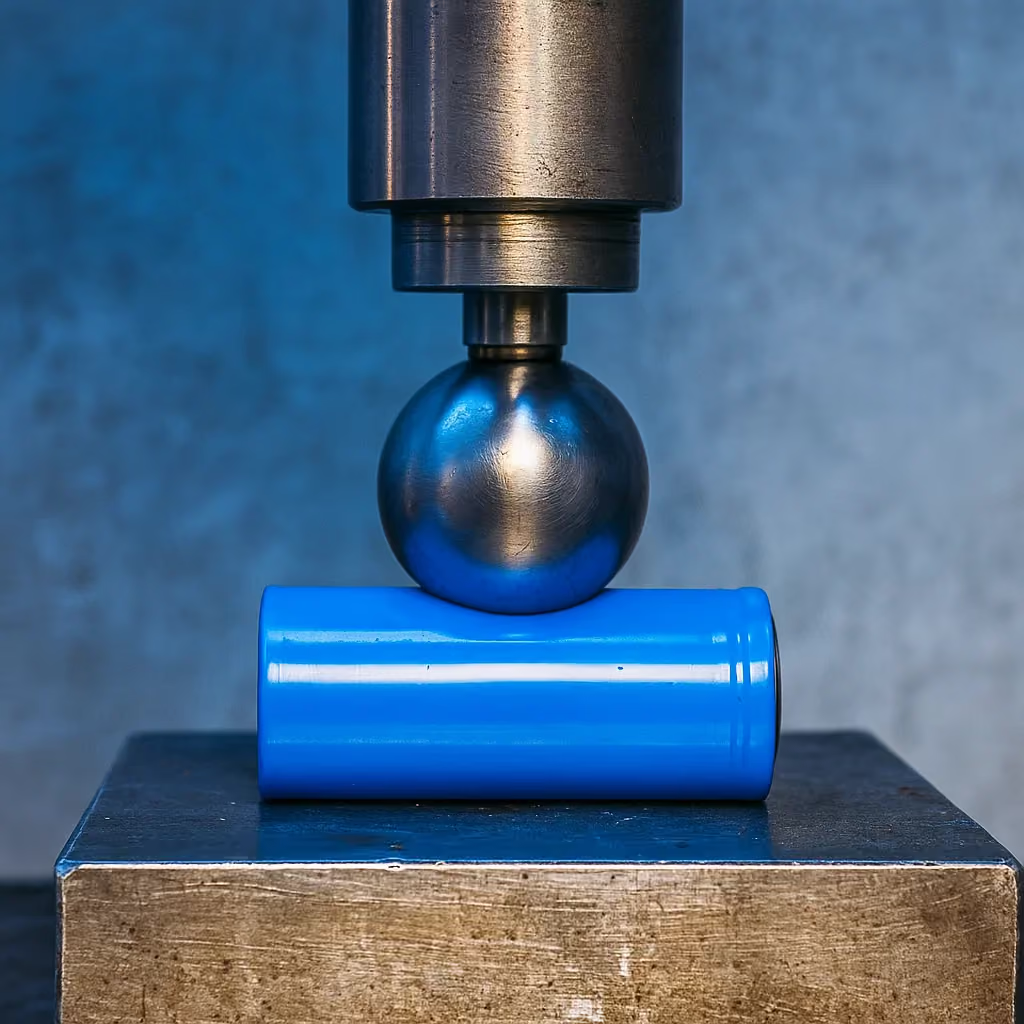
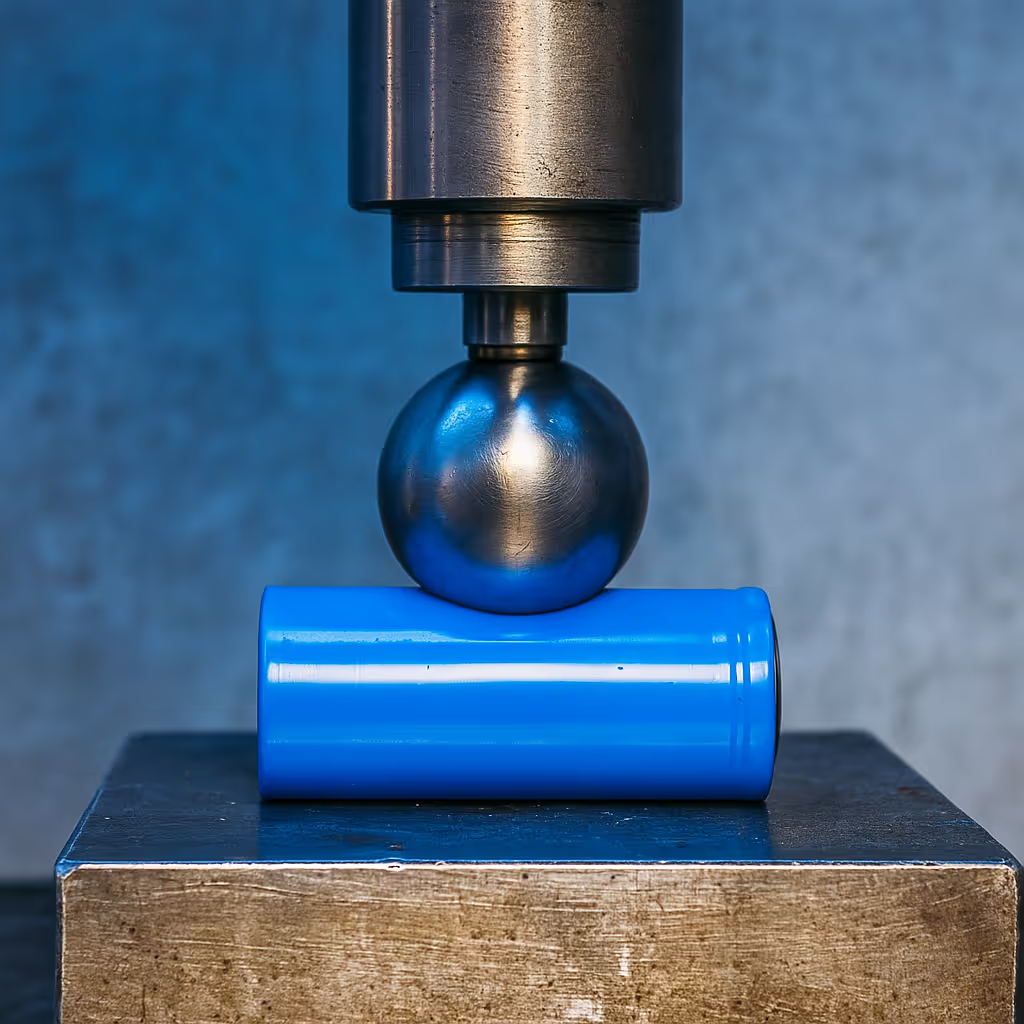
Quasi-Static Deformation
Slow compressive loading to determinemechanical load limits and deformation behavior of the cell structure.
Insights: Defines structural limits and helps determine safemechanical integration conditions.

MECHANICAL TEST
Customer-Specific Mounting Analysis
Investigation of the effects of clamping forces and assembly tolerances on cell performance to optimize module integration.
Insights: Supports optimized module design by understandingthe influence of mounting conditions on cell behavior.










.avif)








EXCLUSIVE PARTners
reseach COLLABORATIONS
Through our renowned partner network from research, including PEM RWTH Aachen University and Fraunhofer FFB, we ensure access to the latest findings, technologies, and research results to be one step ahead – offering our clients always state-of-the-art solutions.


INSiGHTS
INSiGHTS FROM OUR WORK
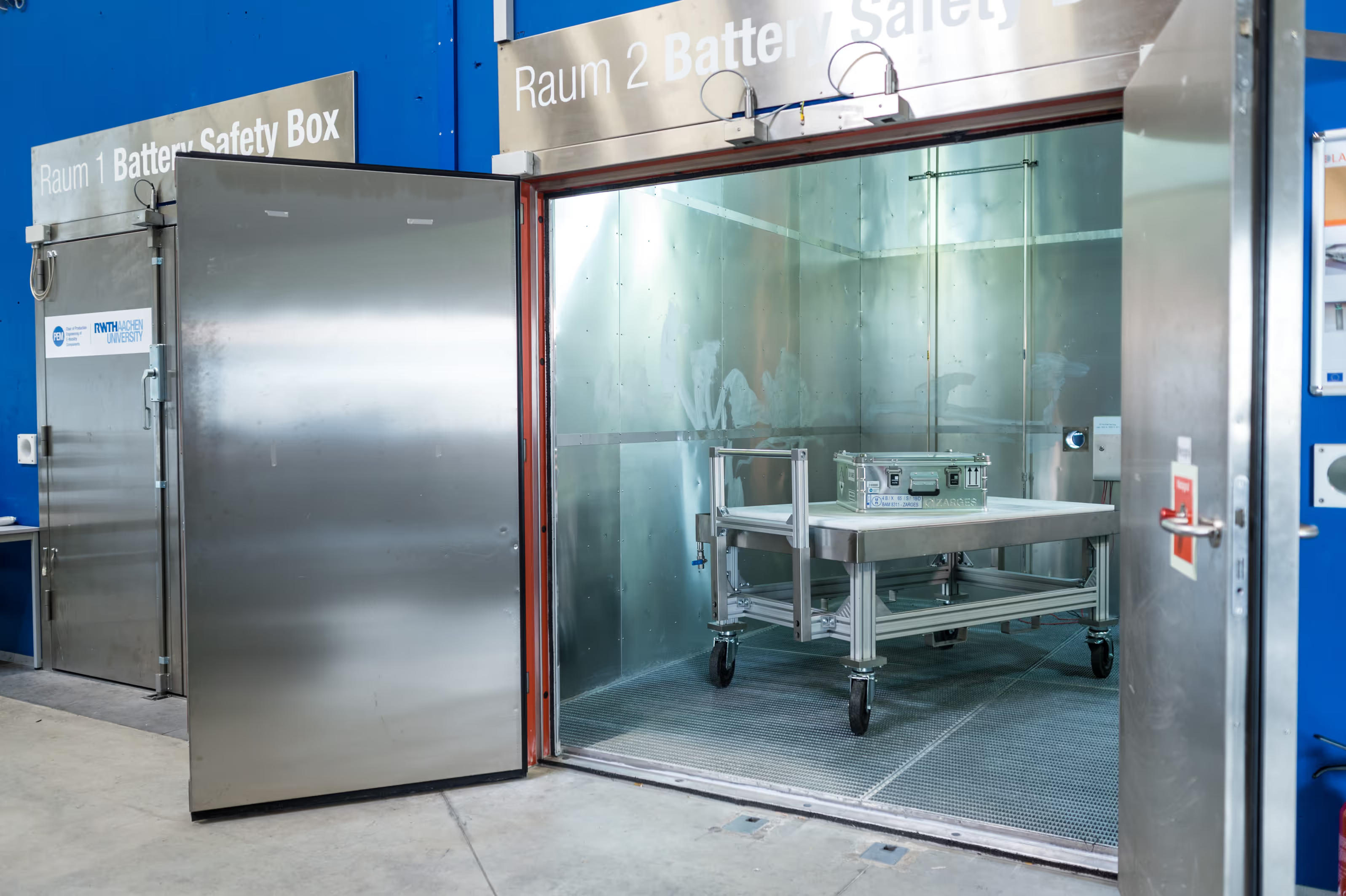
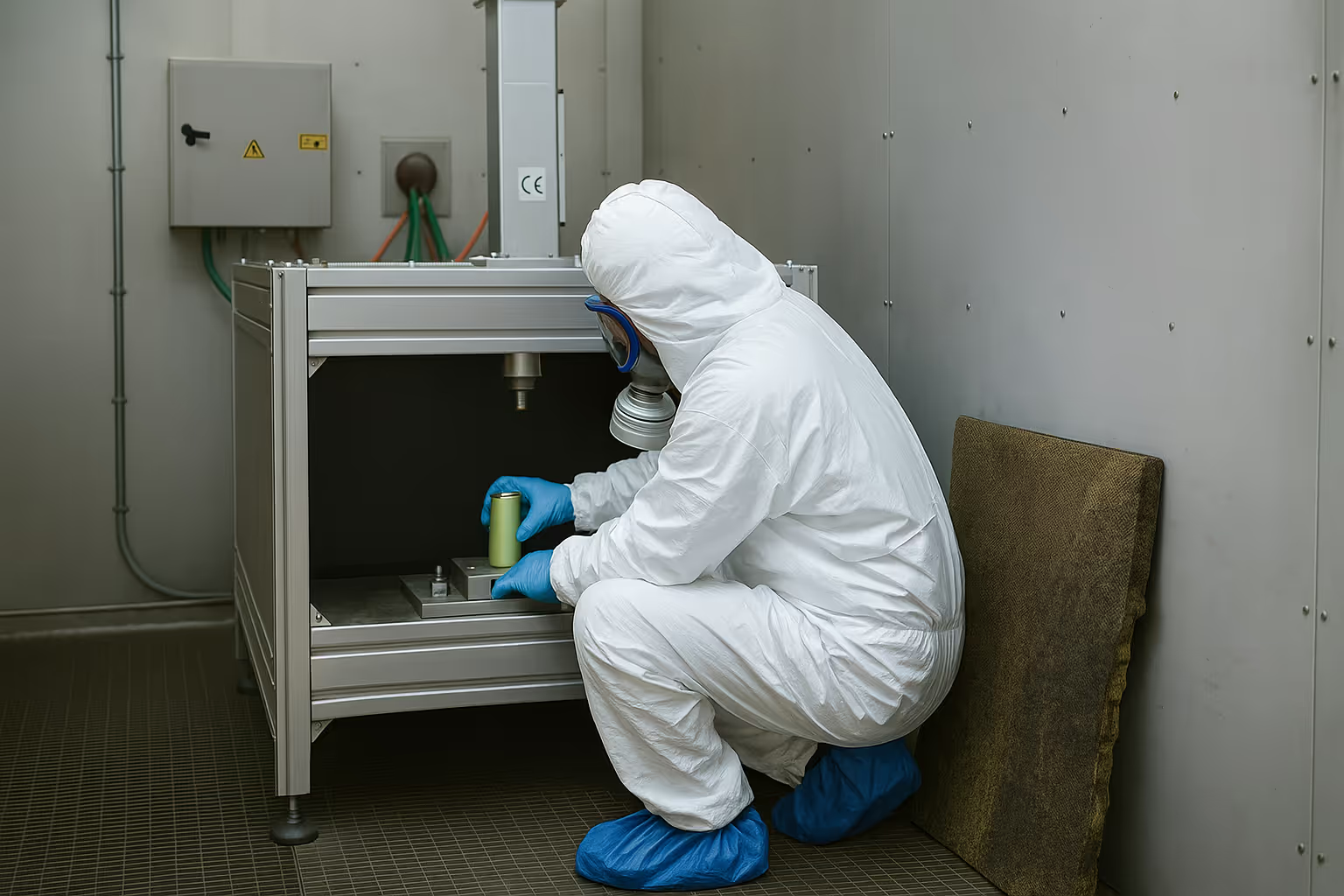
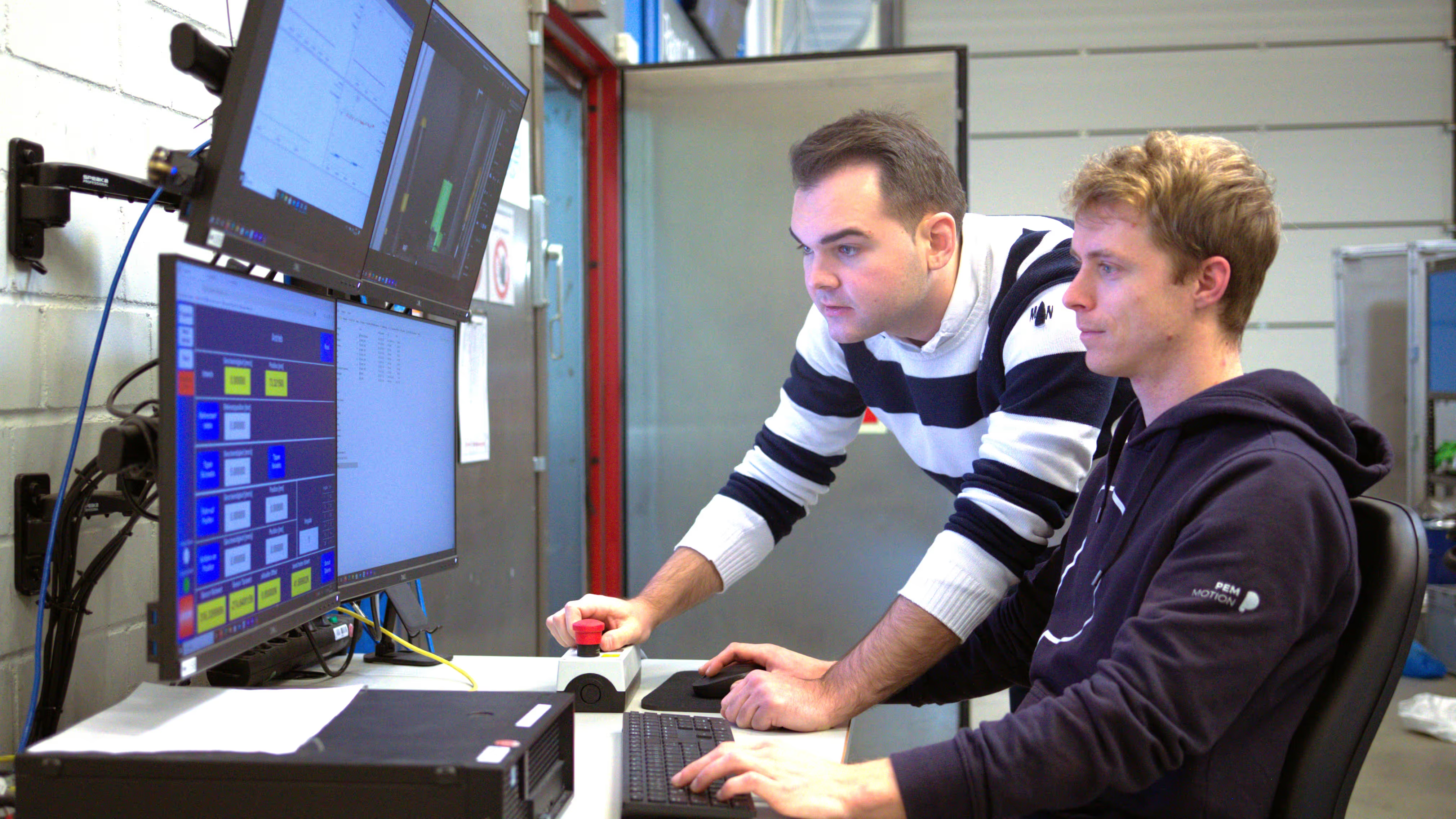
Whether planning and creating reproducible test standards or developing a customized test bench design – our experience spans from component-level analysis to large-scale validation. Discover our work in individual projects.



Success Stories around the globe
WHERE WE
DELIVERED IMPACT IN Practice
From battery testing and compliance to BMS development and operational support, our solutions are designed to work in the real world. By combining proven engineering methods with hands-on project experience, we help our partners reduce complexity, meet standards with confidence, and accelerate time to market.


OTHER OFFERS
DISCOVER WHAT WE OFFER BESIDES OUR TESTING SERVICES

Battery
From battery technology assessment to industrialized production: engineering, validation and manufacturing solutions across the entire battery value chain.

E-Motor
Engineering efficient, scalable and cost-competitive electric drive solutions from concept to production.
Fuel Cell
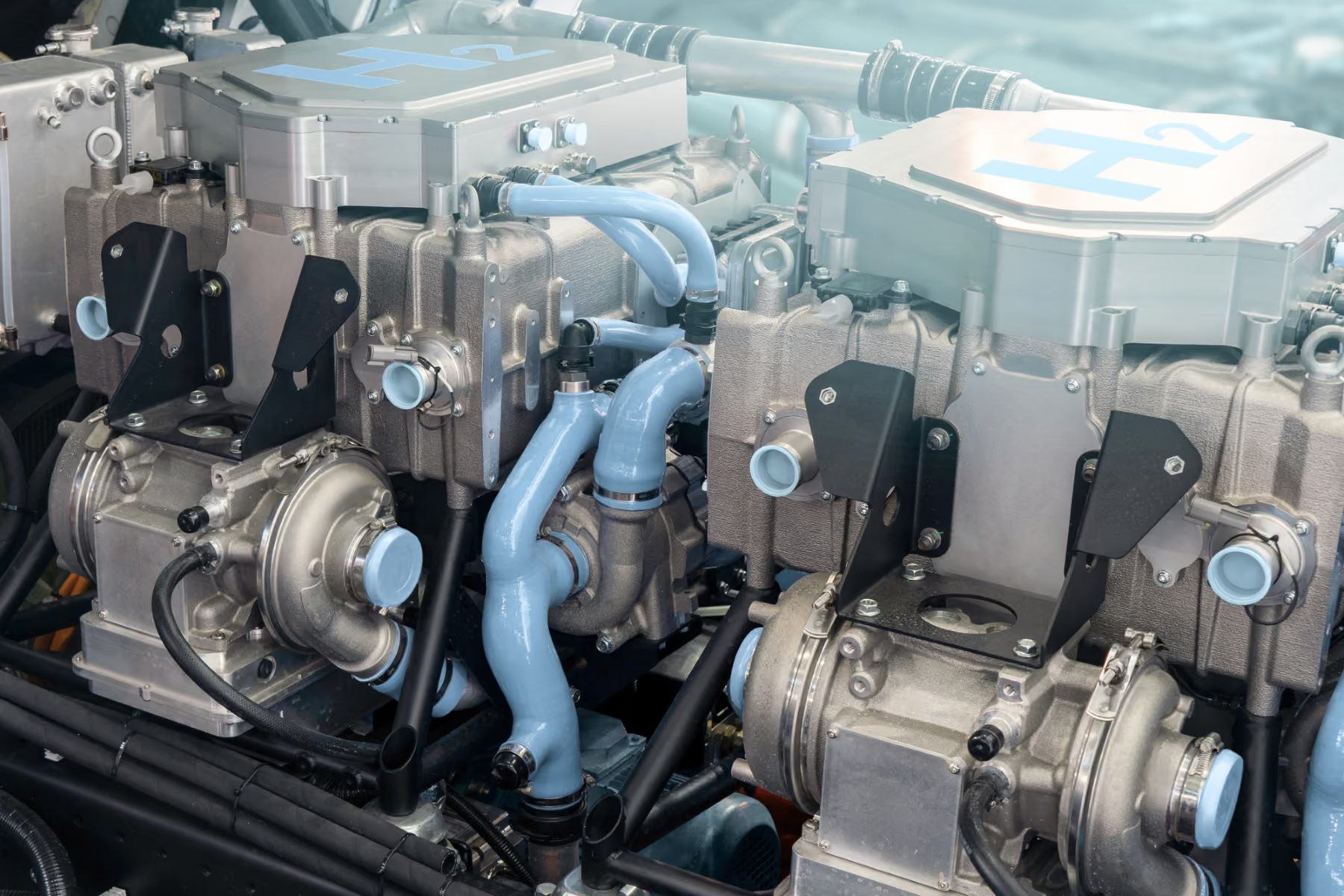
Enabling the hydrogen economy through fuel cell and electrolyzer engineering, validation and industrialization.

Heavy-Duty & Off-Highway Vehicles
Delivering electrified heavy-duty and off-highway vehicles through system integration, validation and industrial implementation.
FAQ
Find answers to your most pressing questions about battery testing services.
Comprehensive testing is the only way to verify the safety, performance, and lifetime of a battery. PEM Motion provides tailored test programs designed to meet the specific requirements of both prototype and series production projects.
We conduct electrical, mechanical, thermal, and safety-related tests. This includes cycle life testing, fast-charging tests, abuse testing, and thermal management evaluations.
Yes. Our experts help analyze test data and translate it into actionable recommendations. This not only saves valuable development time but also reduces unnecessary design iterations.
Timelines depend on the type of test. Thanks to our flexible laboratory infrastructure and strong partner network, PEM Motion can typically achieve very short lead times. We will always find a good solution, if there are time-critical projects.
Beyond development, testing is essential in production – for example, during end-of-line inspections. PEM Motion supports the implementation of efficient testing processes directly into manufacturing workflows.